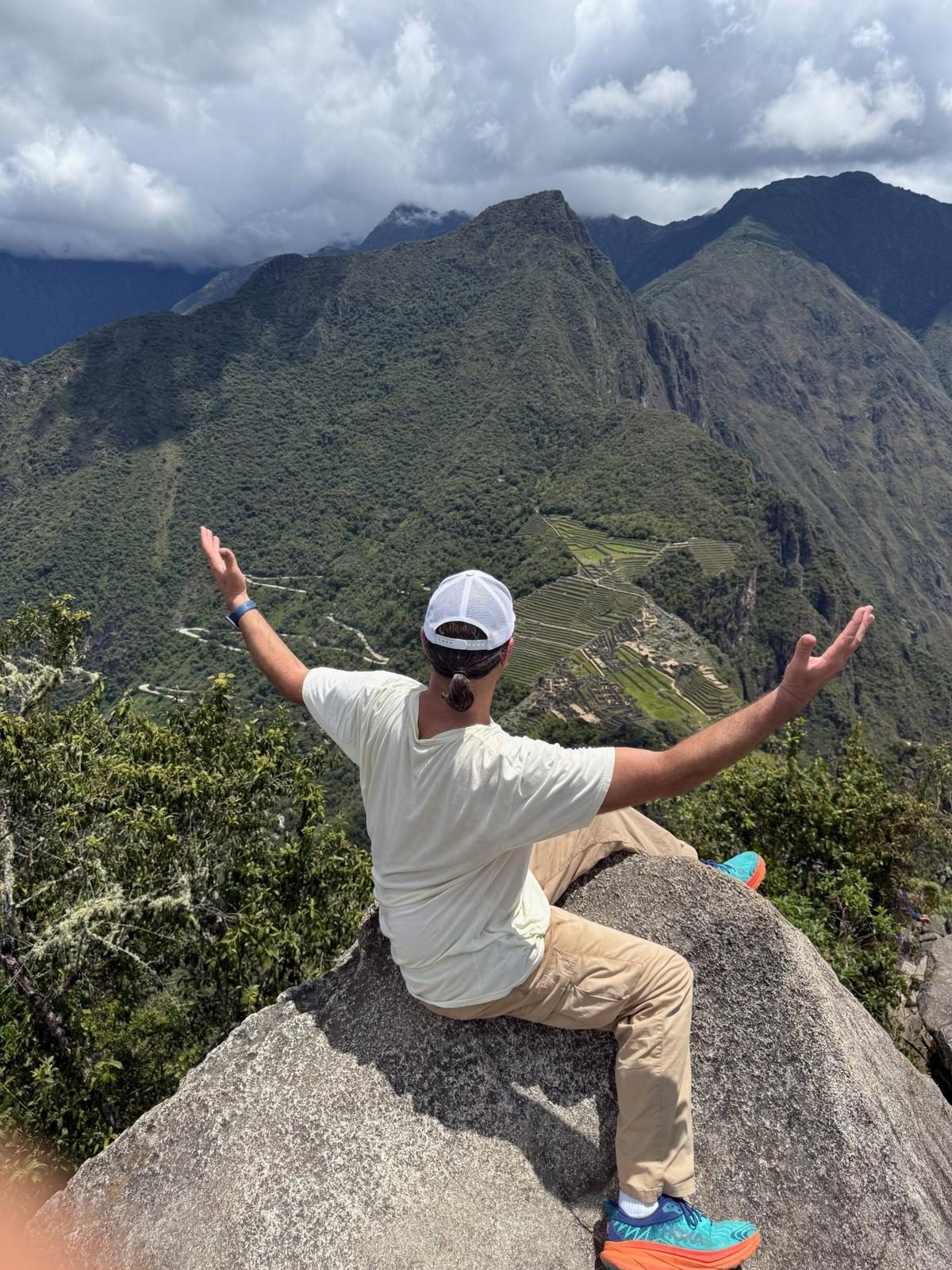
Guiding people through complex systems.
I learn an industry by working inside it: using the products, participating in the ecosystem, and building relationships with the people shaping it. Most recently, that meant helping take a Bitcoin protocol from pre-launch through acquisition.
Based in Arizona · Open to Remote
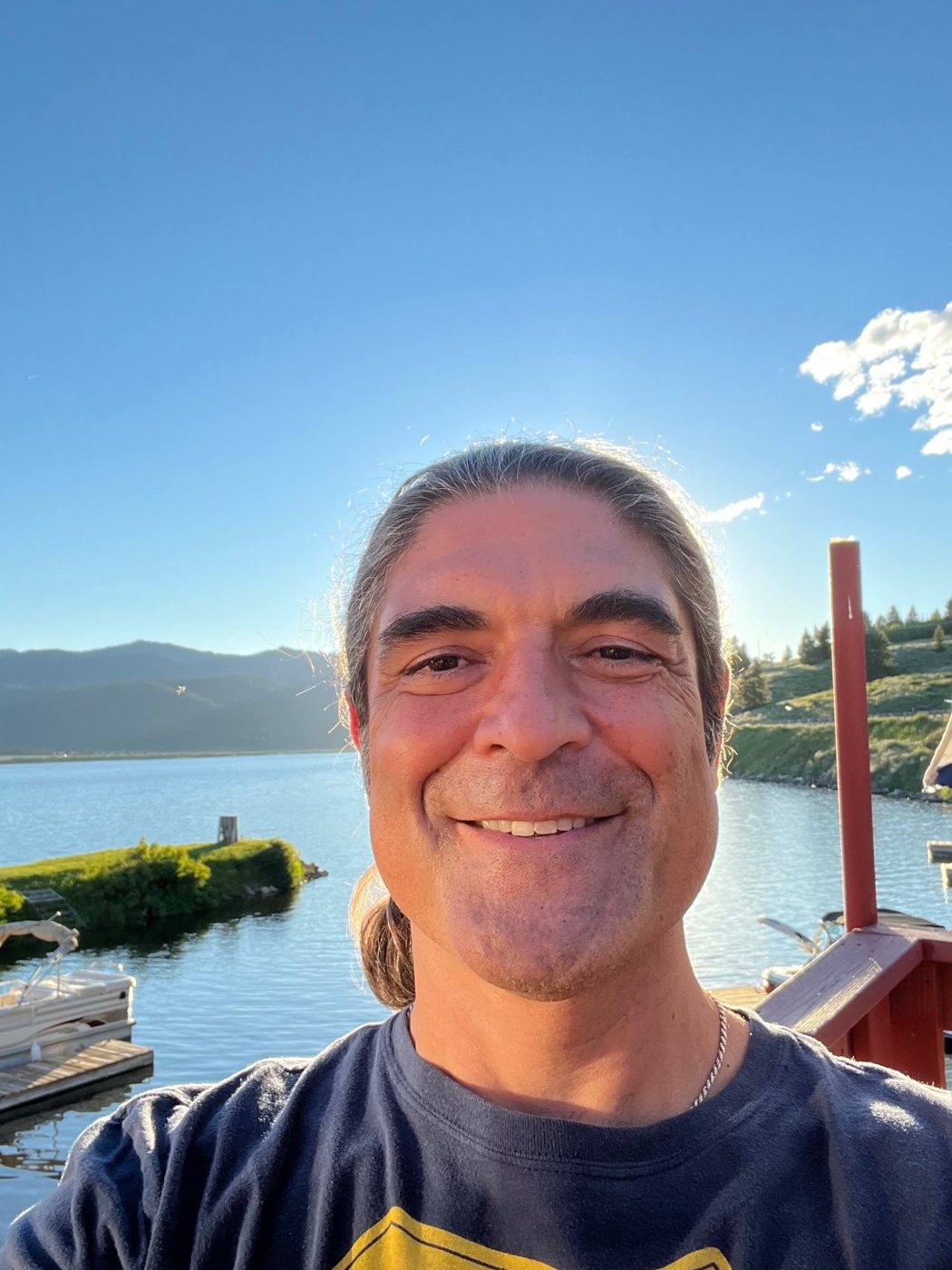
I understand the work from the inside out.
Across higher education, decentralized networks, and early-stage companies, the way I work has remained consistent. I start close enough to the product, the people, and the daily friction to understand what actually matters. Then I build the structure that helps others rely on it: onboarding, governance, reporting, documentation, and the operating rhythms that turn an early idea into something durable.
Today, that also includes AI-native workflows that help small teams move faster without outsourcing judgment to the tools.
From teaching complexity to building systems that scale.
Learning design and adoption
A decade in higher education, including the development of one of the program's first fully online curricula. This is where I learned how people adopt unfamiliar systems: earn their trust, reduce friction, create structure, and give them the confidence to move forward.
Entering digital assets
I began as a participant in Keep Network's tBTC testnet, then took on increasingly active roles across Taho and Threshold, including elected governance. Long before Acre, I was learning how decentralized systems coordinate people, incentives, ownership, and trust.
Building Acre from early stage to acquisition
Across three successive roles, I grew from Community Manager to Community Lead to Head of Institutional & Ecosystem Operations. My scope expanded from establishing Acre's early community and support systems to leading governance, institutional onboarding, ecosystem operations, distributed teams, and global representation through the company's acquisition.
The next chapter
I am exploring leadership roles where I can help an early organization earn trust, build durable operations, strengthen strategic relationships, and scale with an AI-native approach.
Acre, from pre-launch to acquisition.
At Acre, I put those lessons into practice at full scale. I joined before the protocol had a public presence, established its community and early operating systems, and expanded my role over the next two years into ecosystem and institutional operations. I helped build and operate Acre through its acquisition by Hypersurface, my first startup exit.
- Founding team member, hired pre-launch while it was incubated at Thesis.
- Grew the community past 50,000 members with zero paid acquisition.
- Built the operating system for the Acre Security Council and managed its nine elected members under a 6-of-9 quorum.
- Led institutional onboarding and delivered executive reporting directly to the CEO.
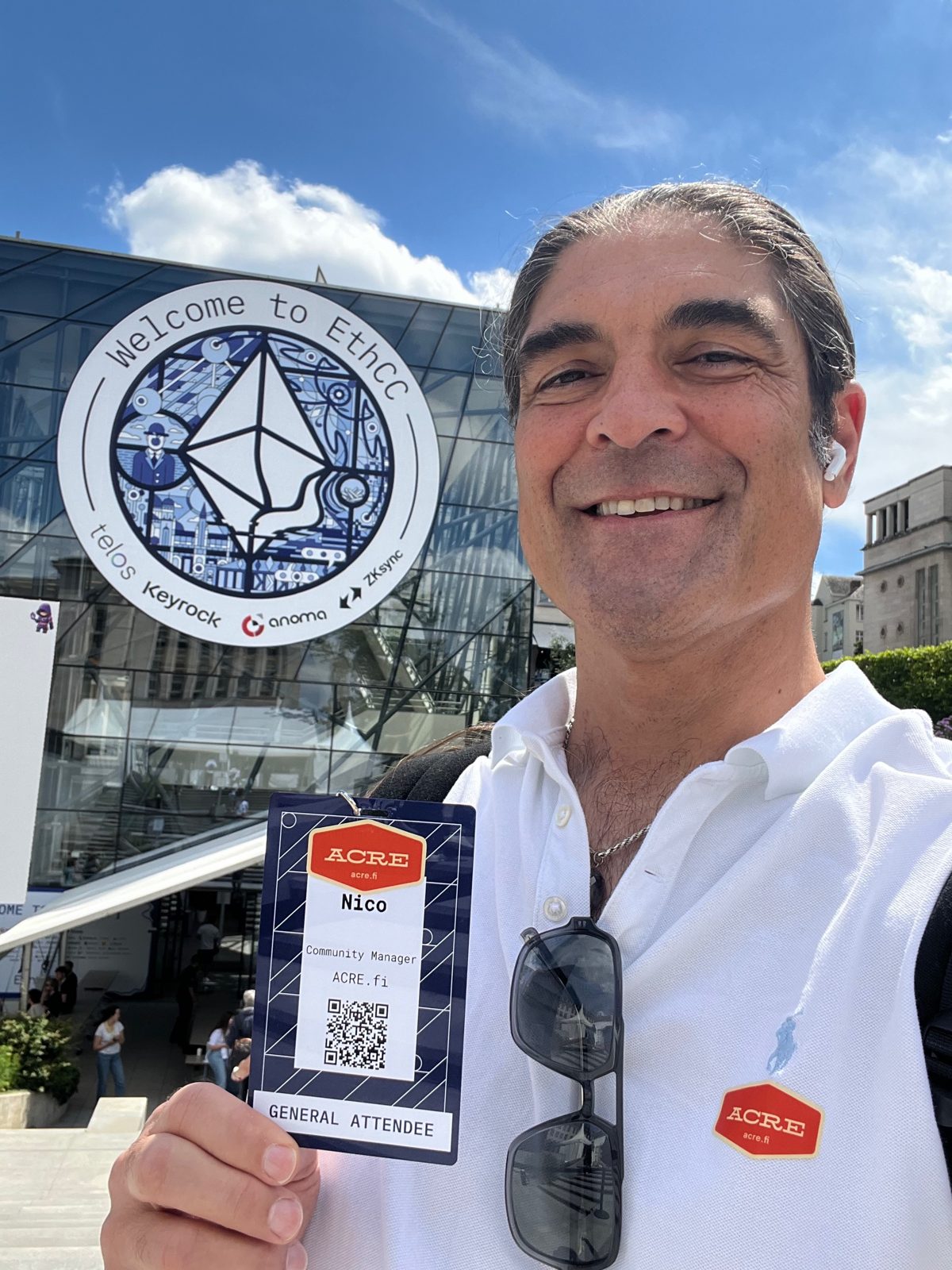
The work that sits a layer deeper.
Community was my entry point, but the role quickly extended into the work that determined whether the organization could operate reliably under real scrutiny. I led governance processes, institutional onboarding, executive reporting, and the cross-functional coordination required to support a distributed team and a live financial protocol.
That foundation began earlier in DAO governance at Threshold, where I learned how decentralized organizations make decisions, create accountability, and maintain confidence over time.
AI has changed how I research, build, and execute.
Running a lean, distributed operation pushed me to work differently. AI became part of my daily process for research and synthesis, documentation, communications, workflow design, and moving faster from an early idea to something usable.
At Acre, I used Claude as part of my production workflow for reporting and process design, and I redeployed the company website without a dedicated developer.
I am an operator working with these systems, not an engineer building the models. I do not hand control over to the tools or add automation for its own sake. I use them to strengthen judgment, accelerate execution, and create greater leverage over time.
Some of the most important work happens in the room.
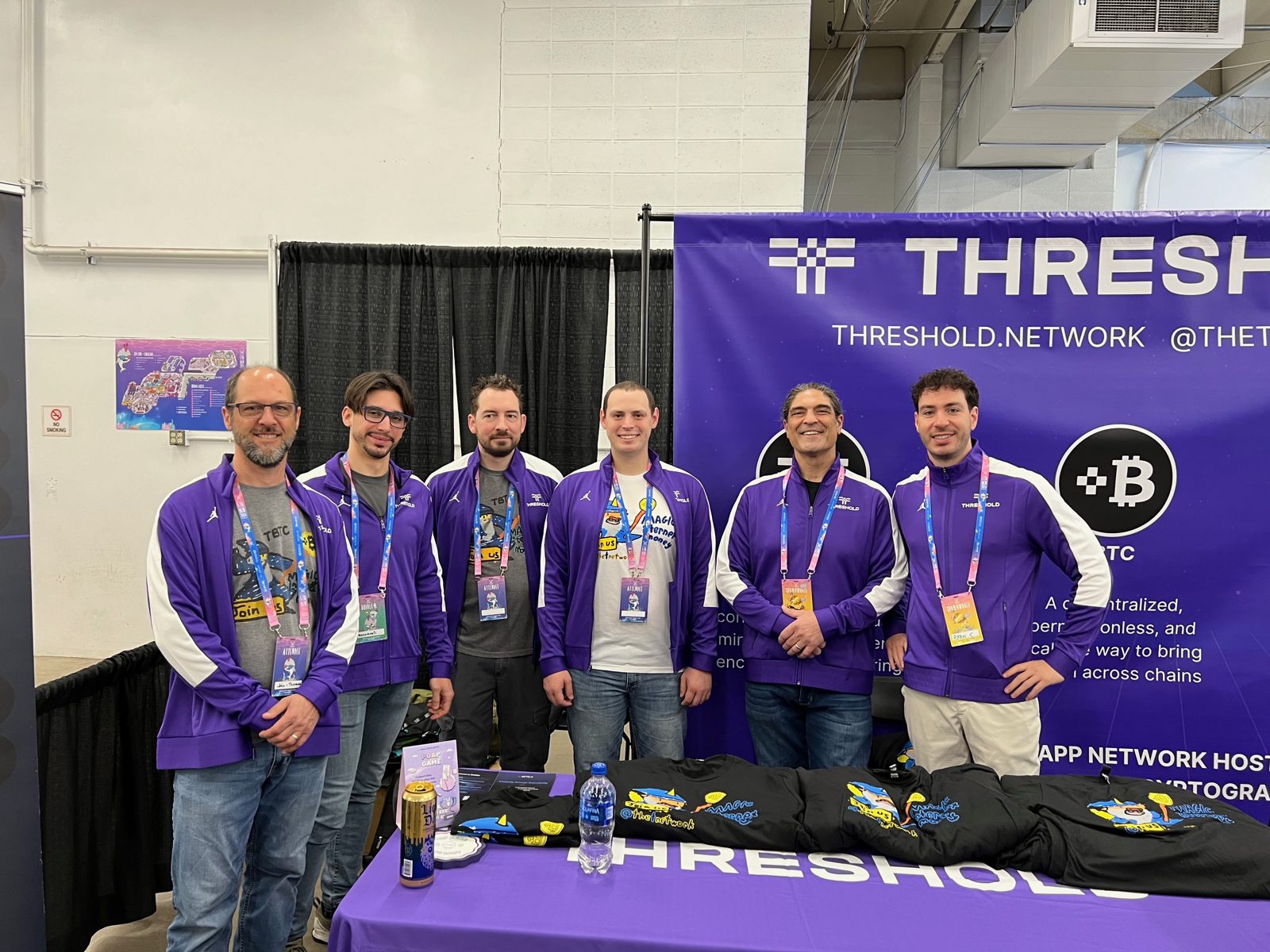
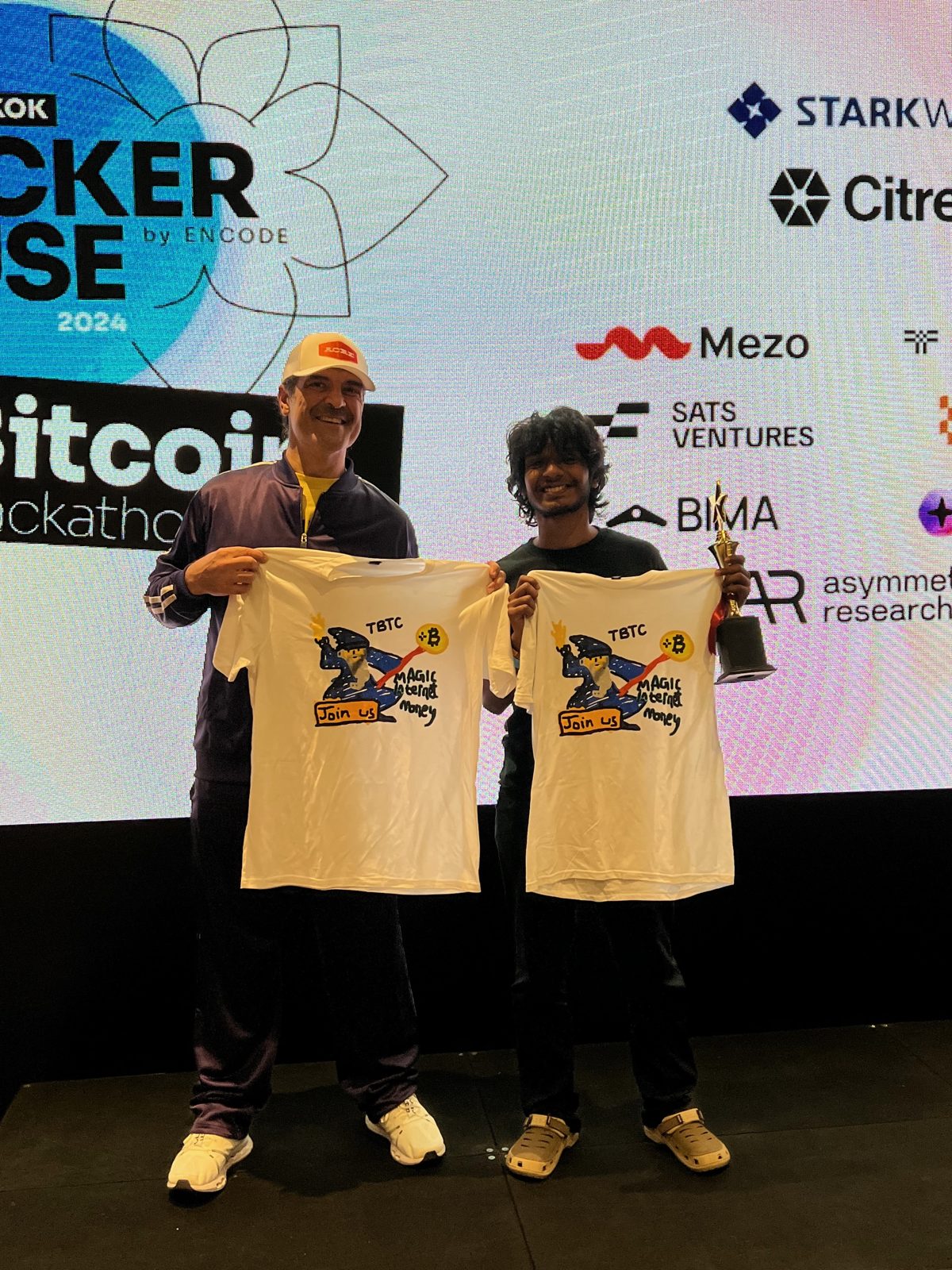
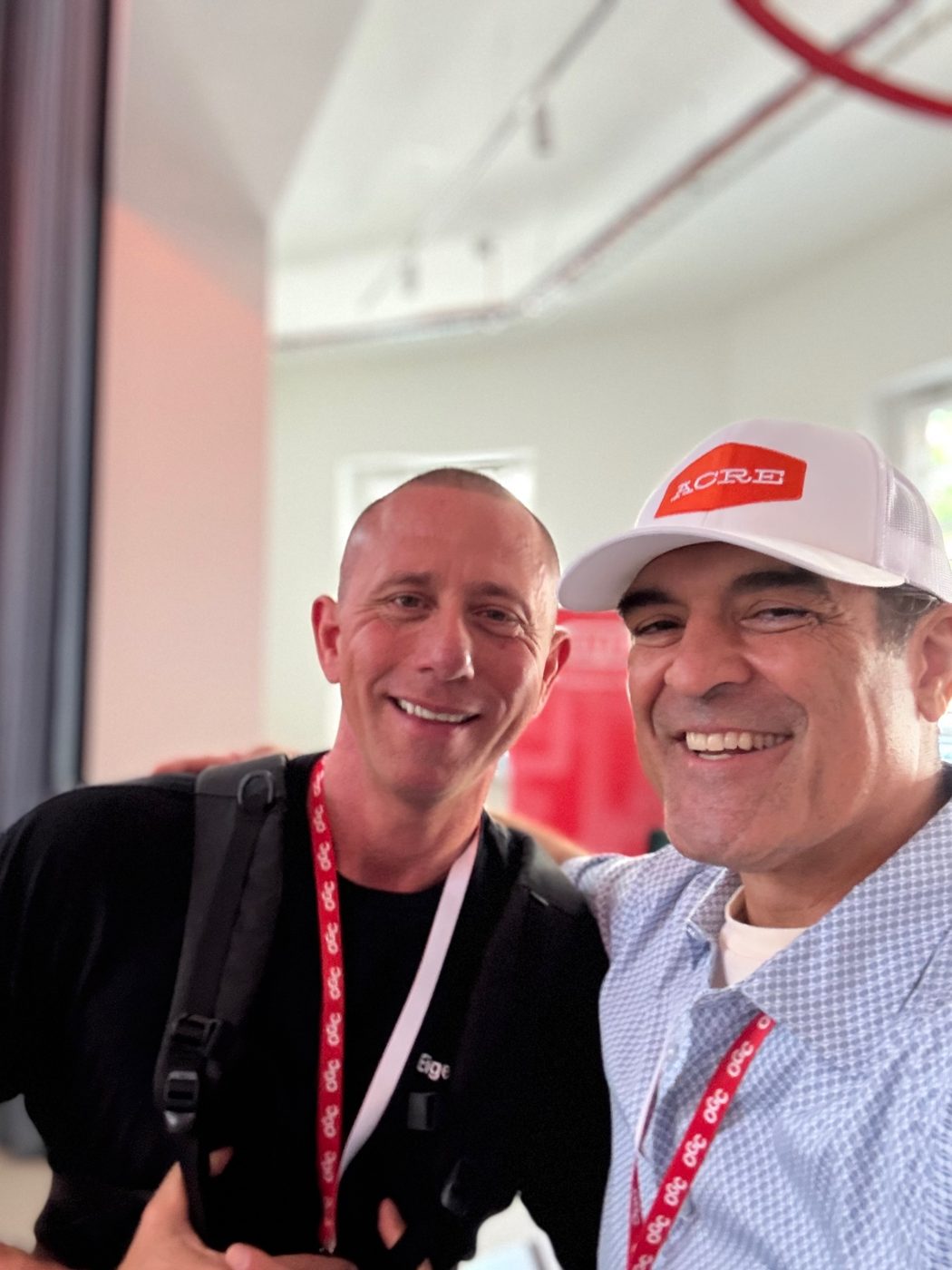
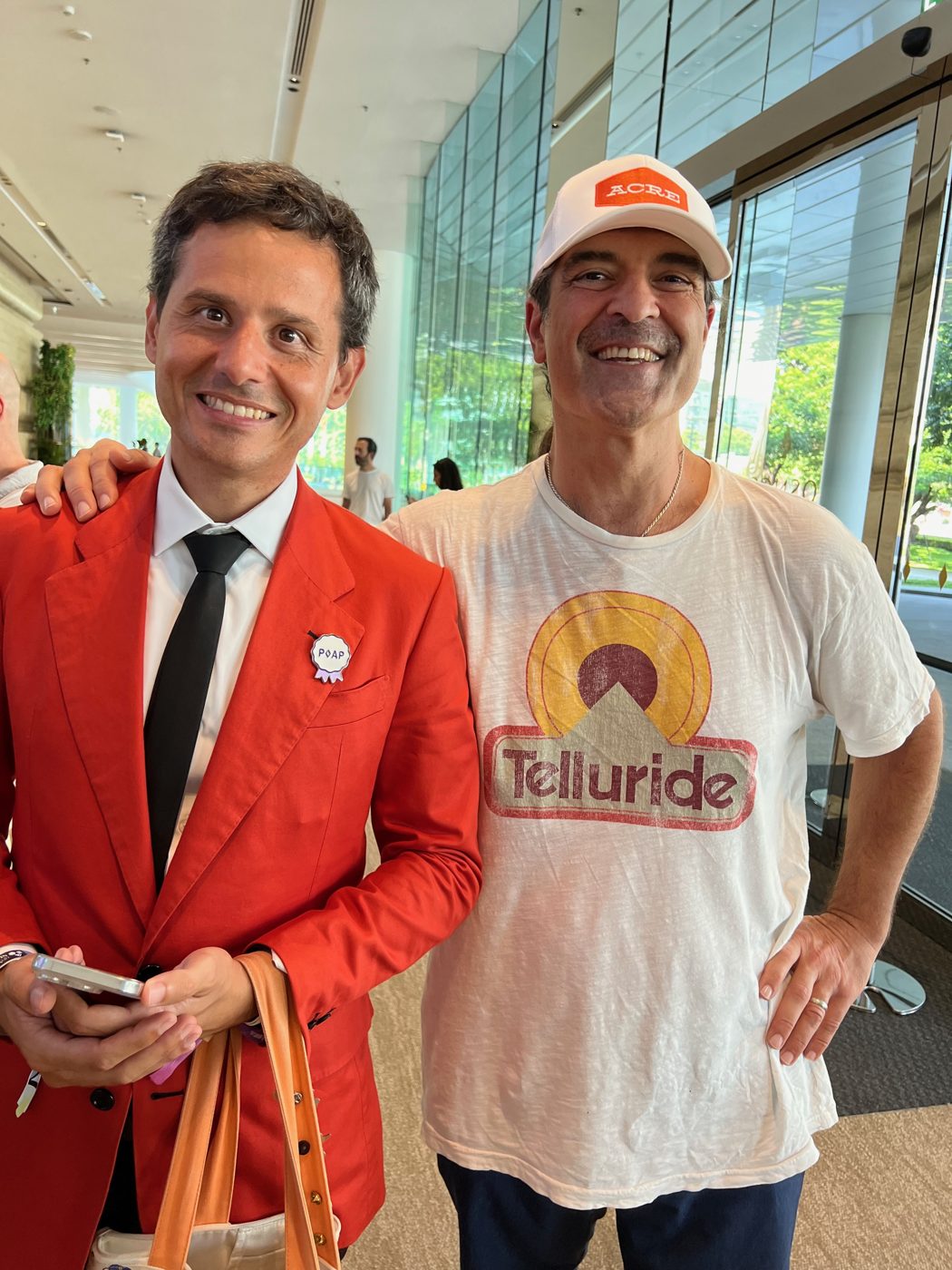
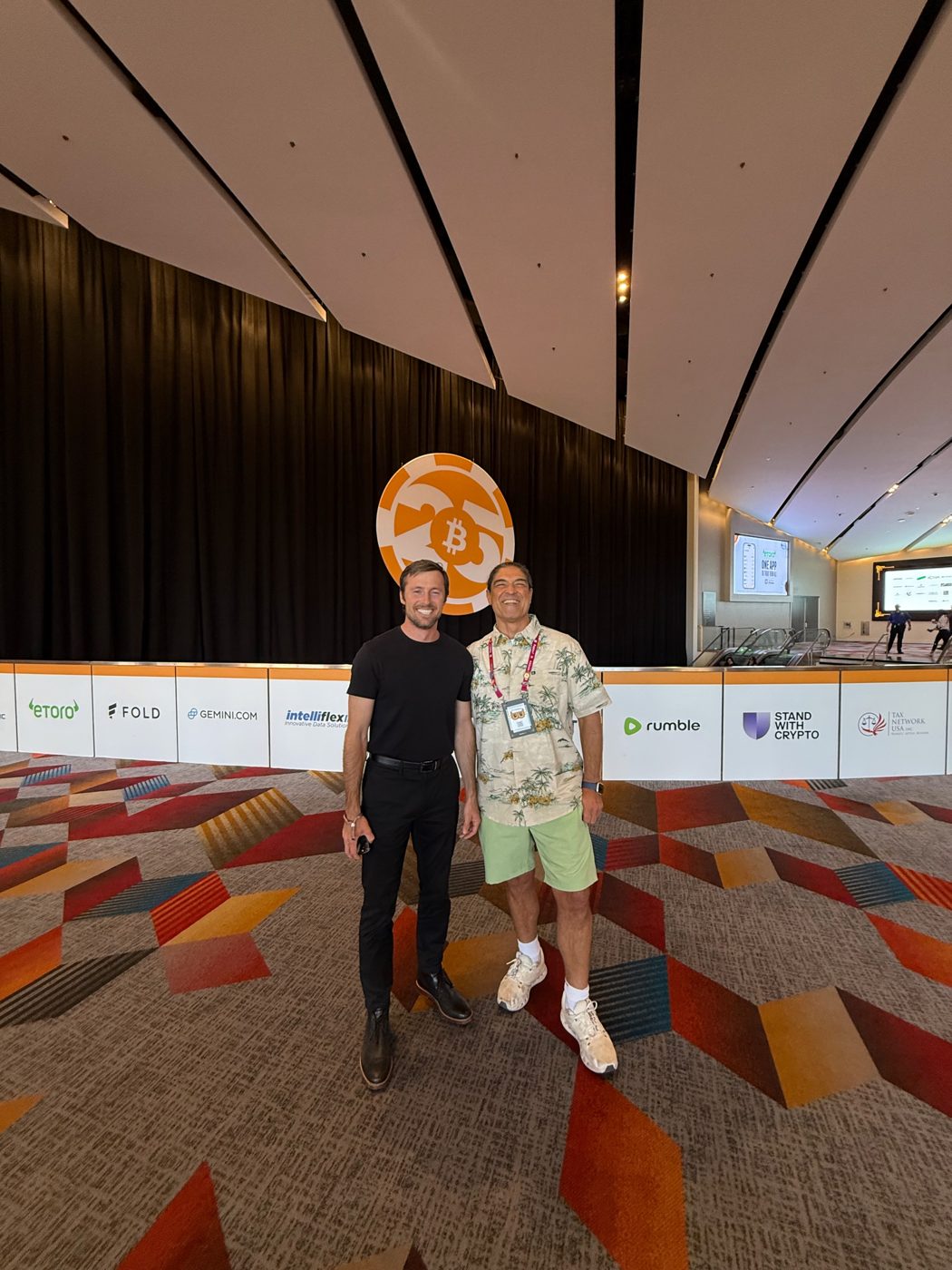
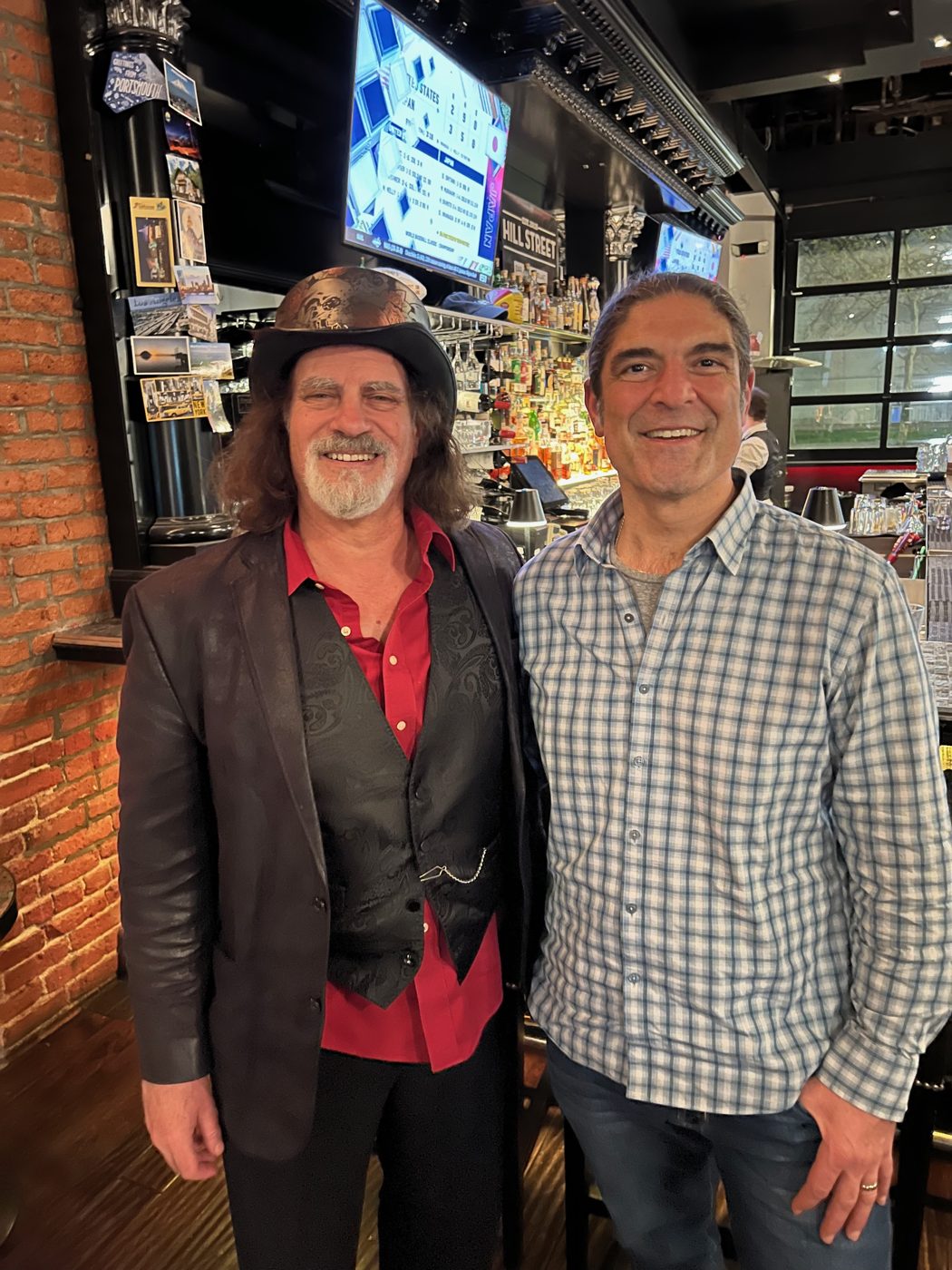
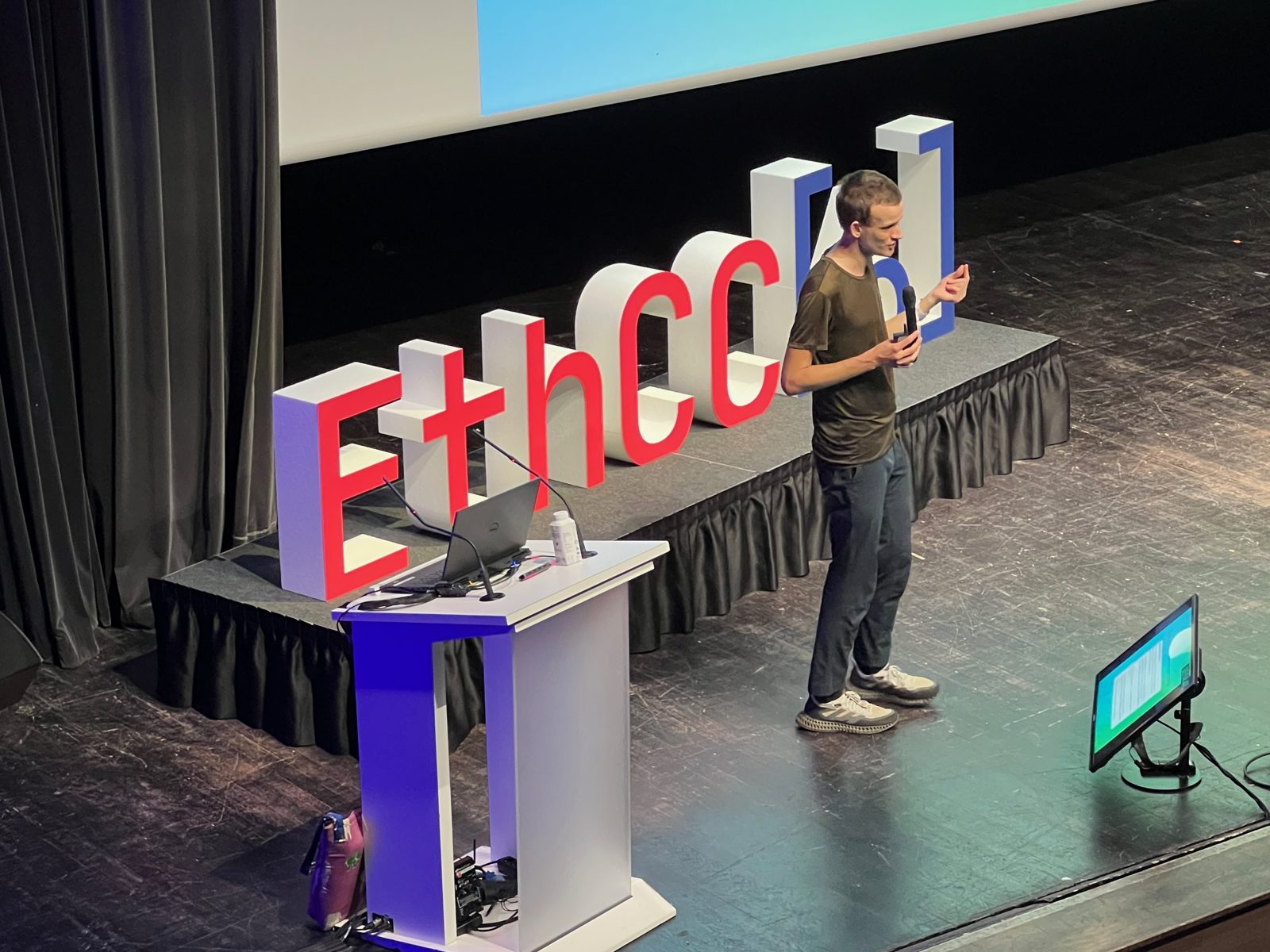
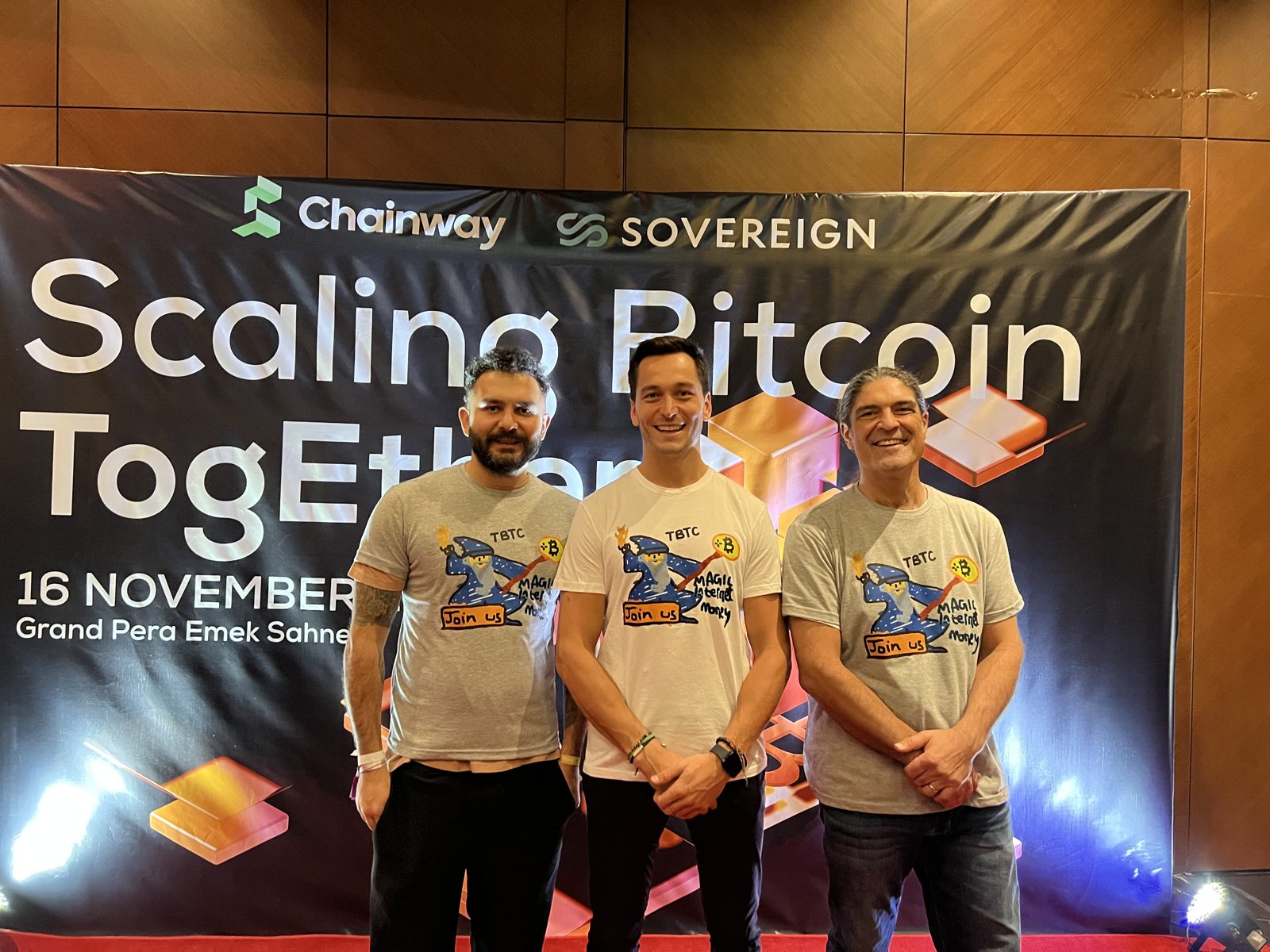
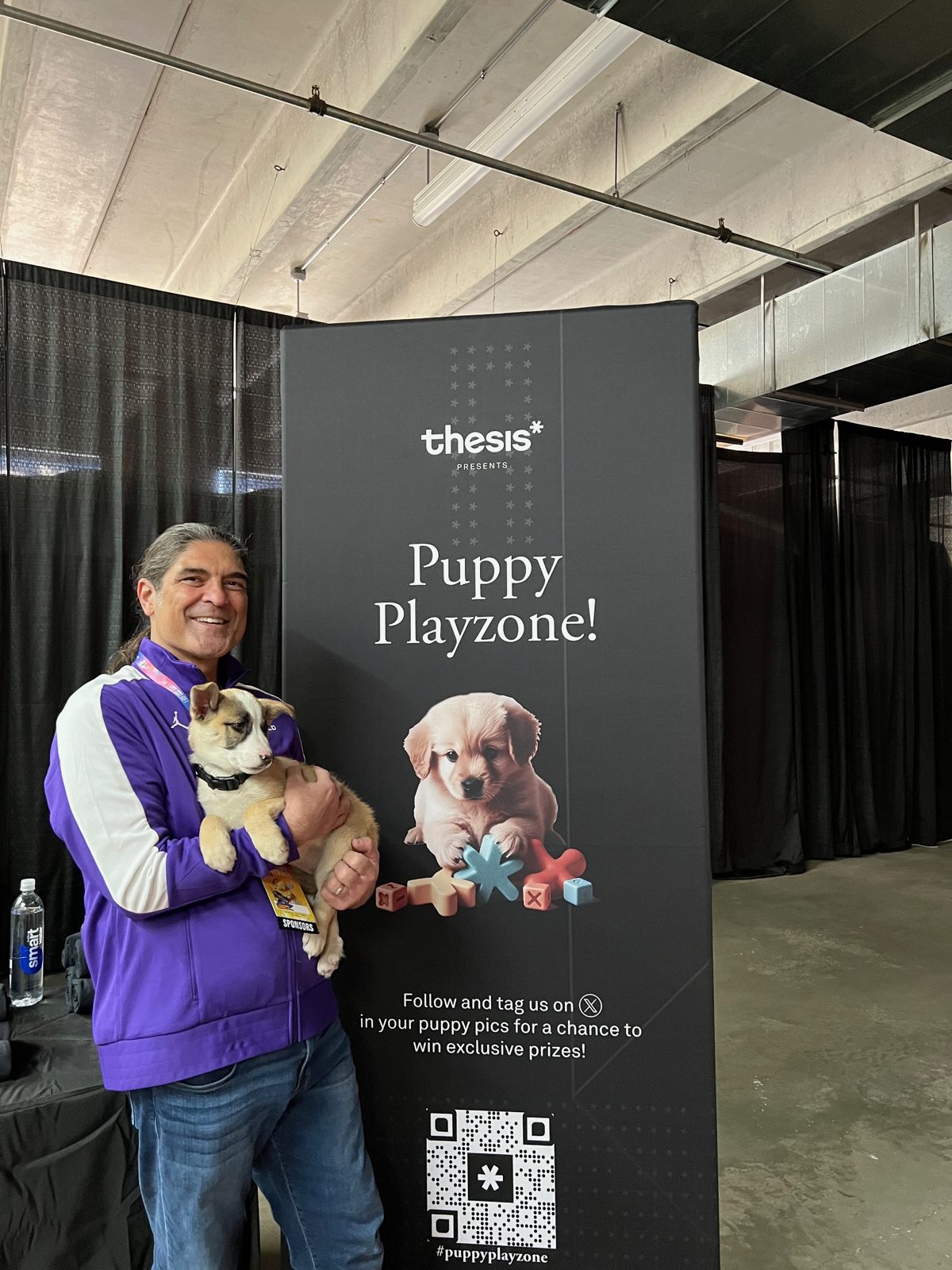
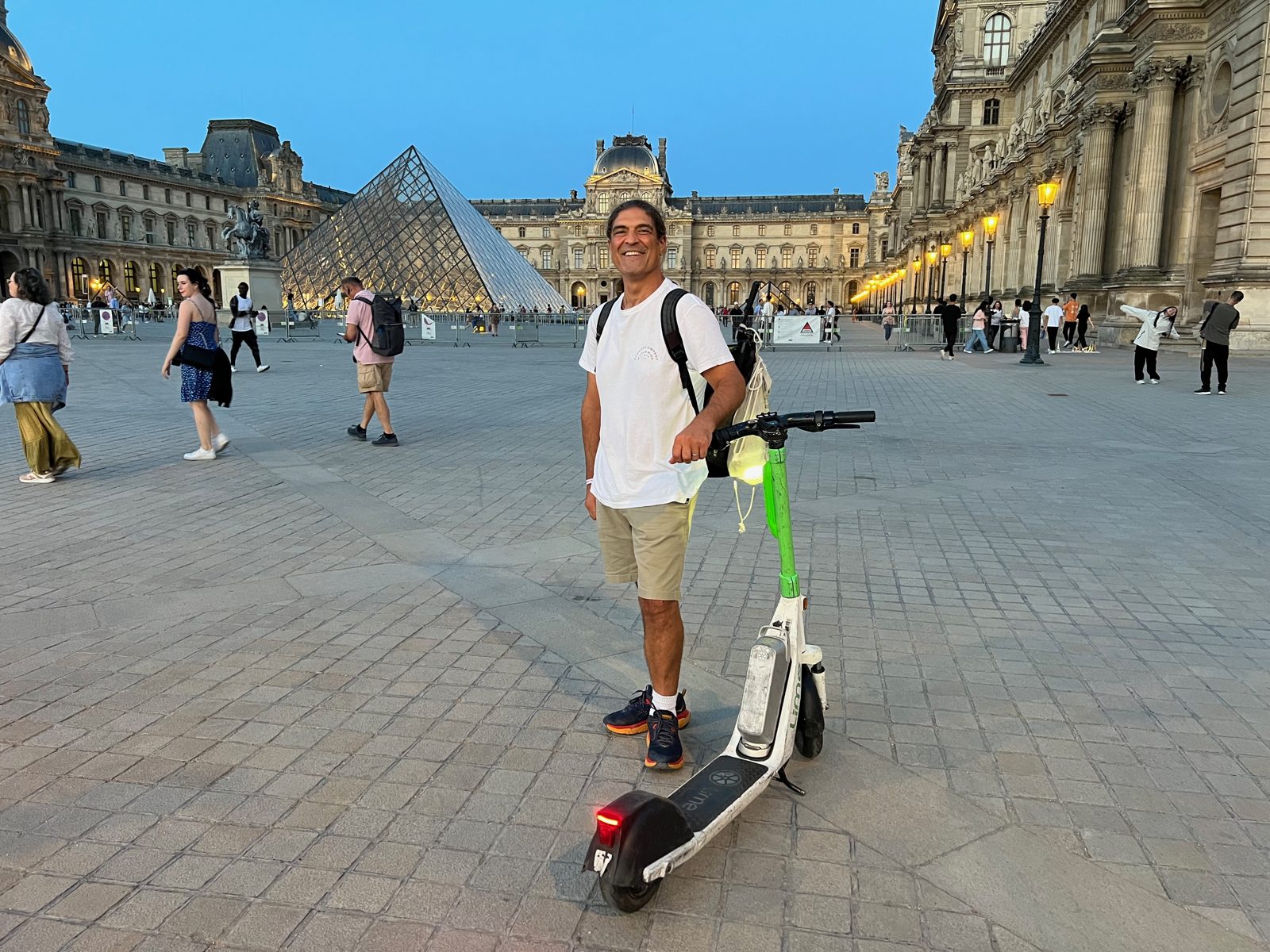
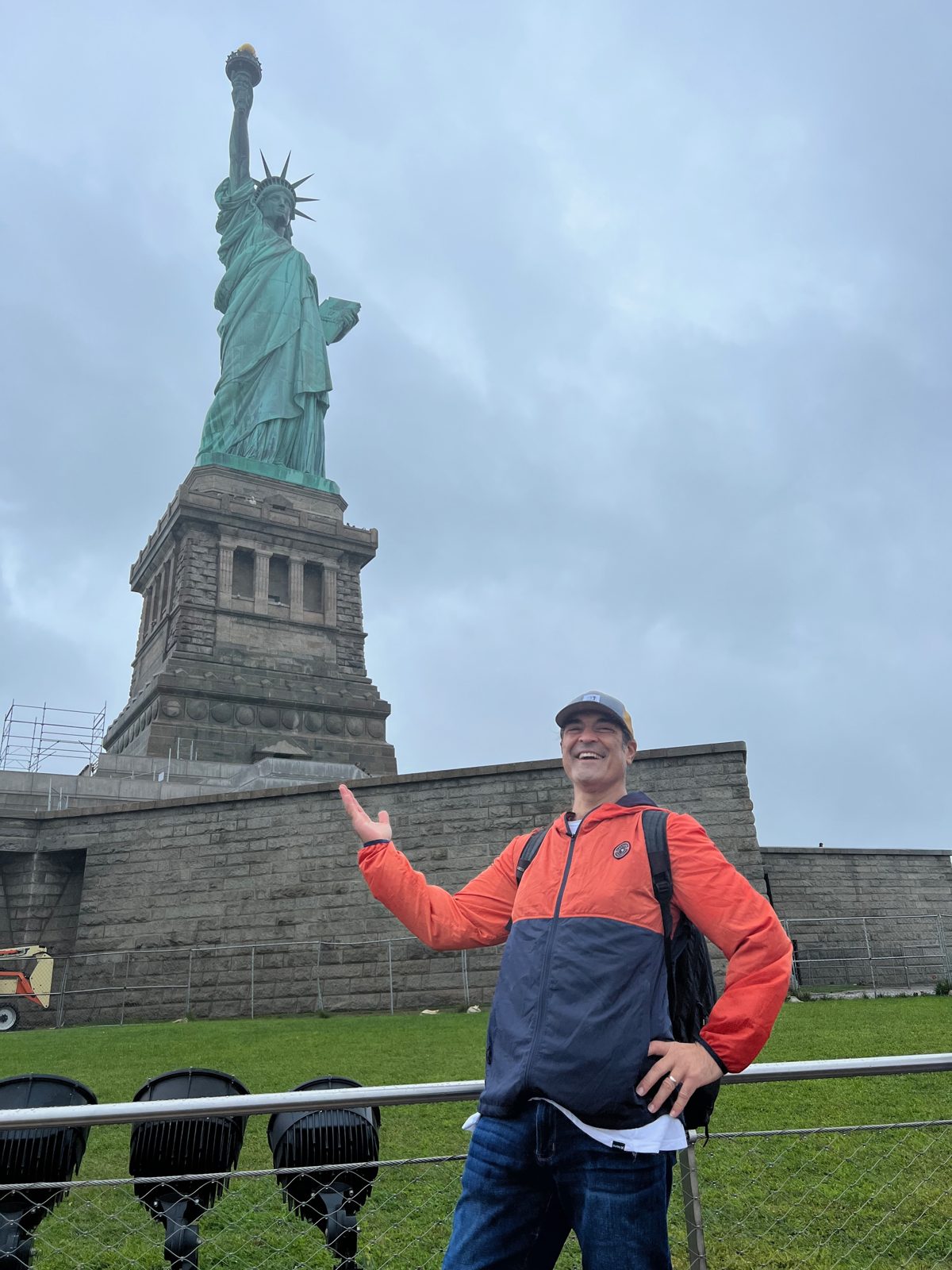
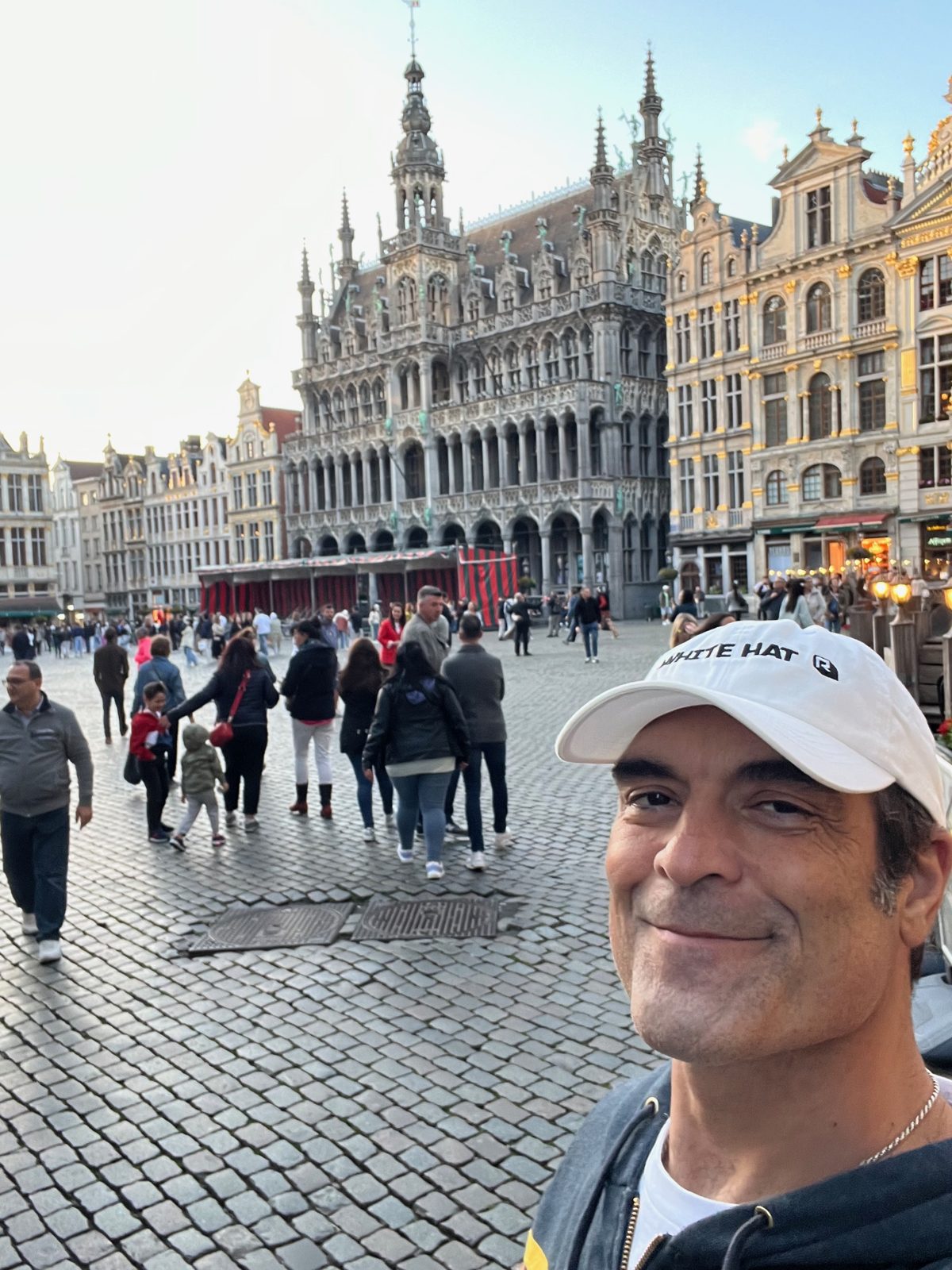
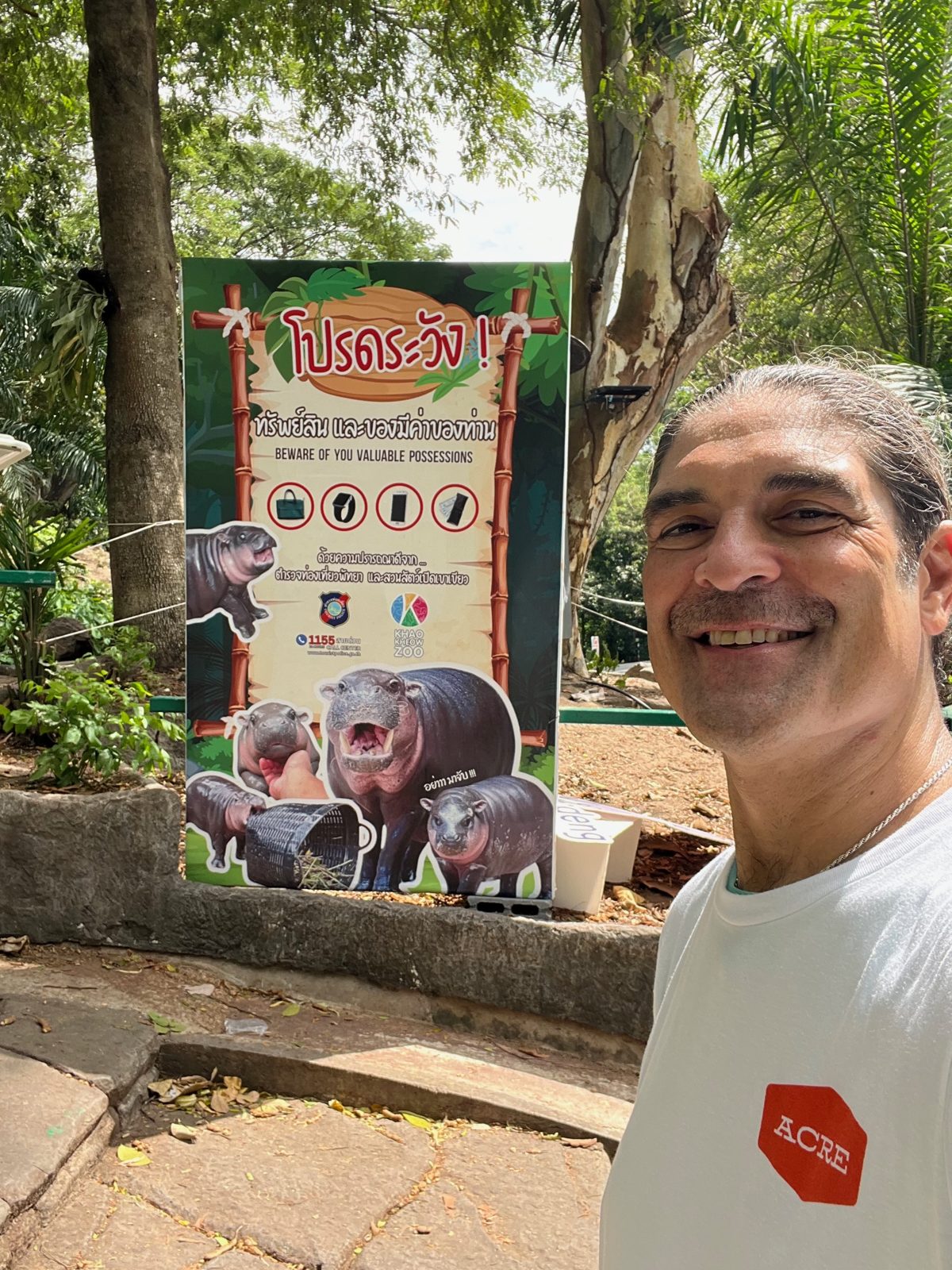
Showing up in person is an important part of how I work. It helps me build context, represent a project with credibility, and turn online relationships into durable partnerships. These are a few moments from more than thirty conferences between 2021 and 2026.
The numbers behind it.
The website tells the story. The résumé provides the complete record of roles, dates, and accomplishments.
The next thing worth building.
I am looking for the next opportunity to help an early organization become more credible, capable, and durable. I am especially drawn to work involving digital assets, financial infrastructure, emerging technology, and organizations navigating a complex path from idea to adoption.
The strongest fit will involve ambitious people, a meaningful problem, and a role with enough ownership to influence how the organization operates. If that resembles what you are building, I would like to hear about it.